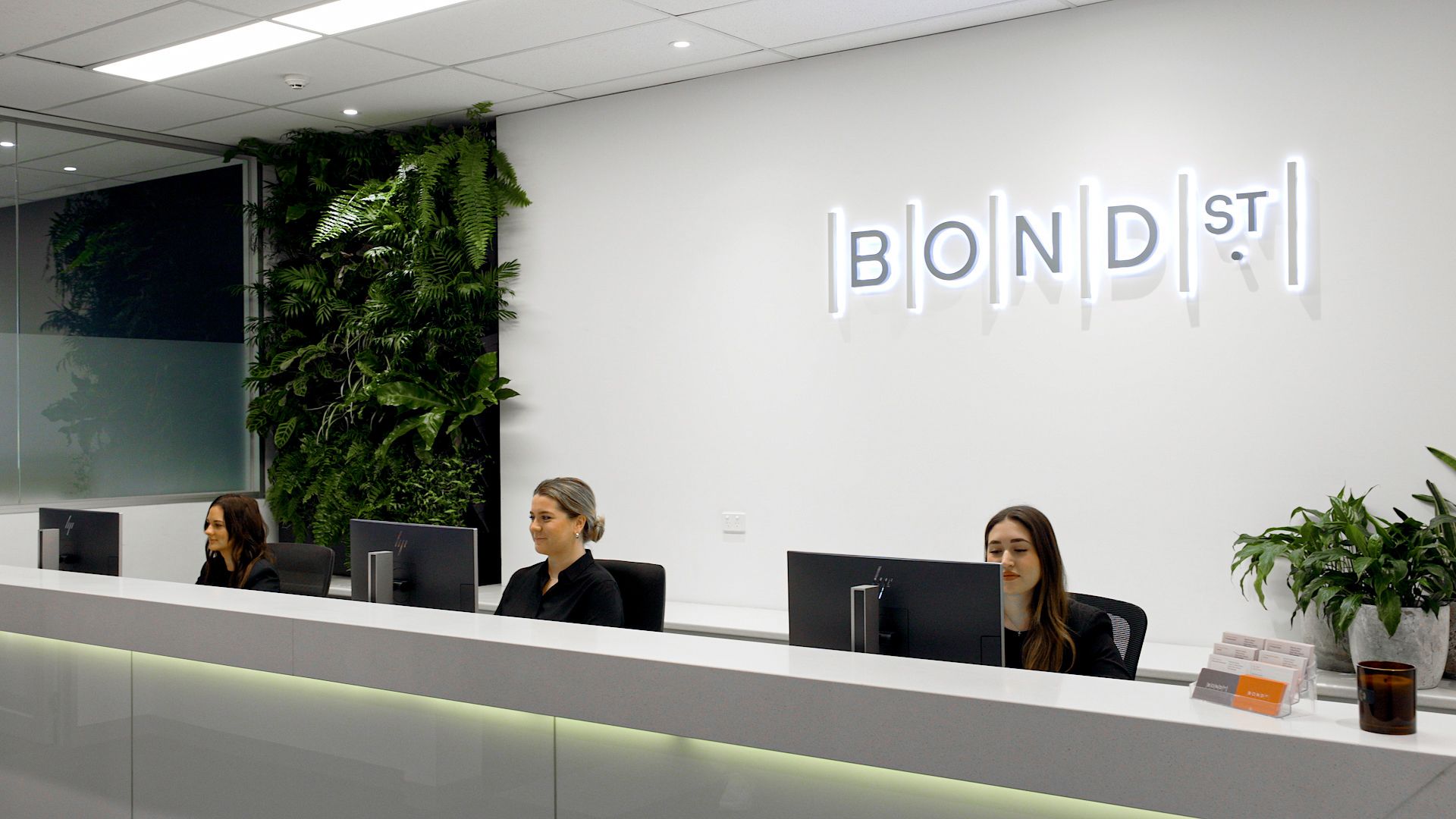






When periodontal treatments are tailored to address an individual's specific gingival health, they aim to support the surrounding soft tissues and the long-term structural stability of the dentition. Our practitioners at Bond St provide customised clinical pathways to address concerns such as gingival inflammation, calculus accumulation, or compromised periodontal attachment, with the intent of managing bacterial load and assisting in the preservation of natural teeth.
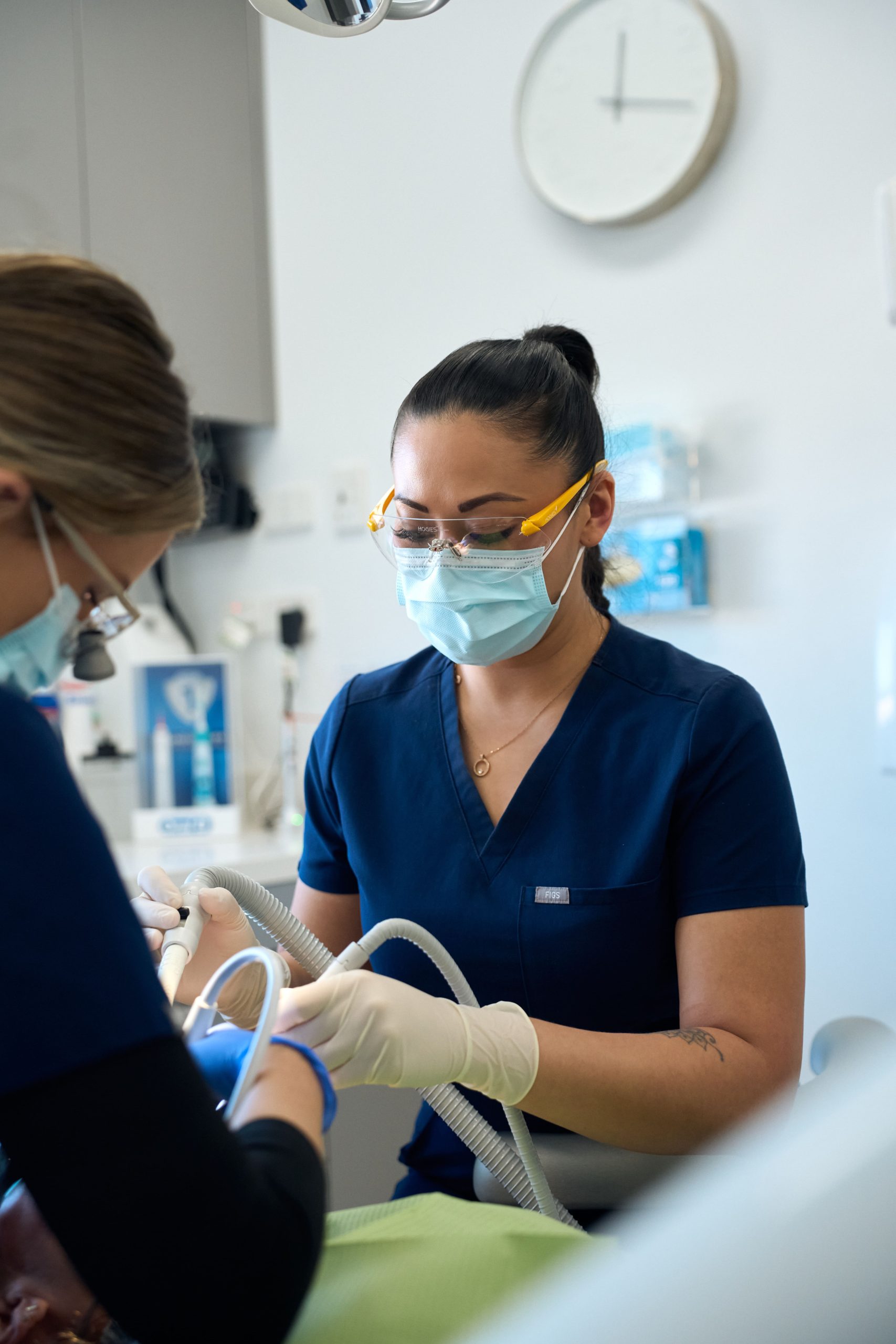
Our clinical team provides professional support and clear communication throughout the treatment process, from the initial diagnostic consultation to the active therapy and ongoing maintenance stages.
Important Information: All dental procedures carry risks. A consultation is required to determine suitability for any treatment. Results vary between individuals and depend on individual clinical factors and patient compliance. Before proceeding with any invasive procedure, you should seek a second opinion from an appropriately qualified health practitioner.
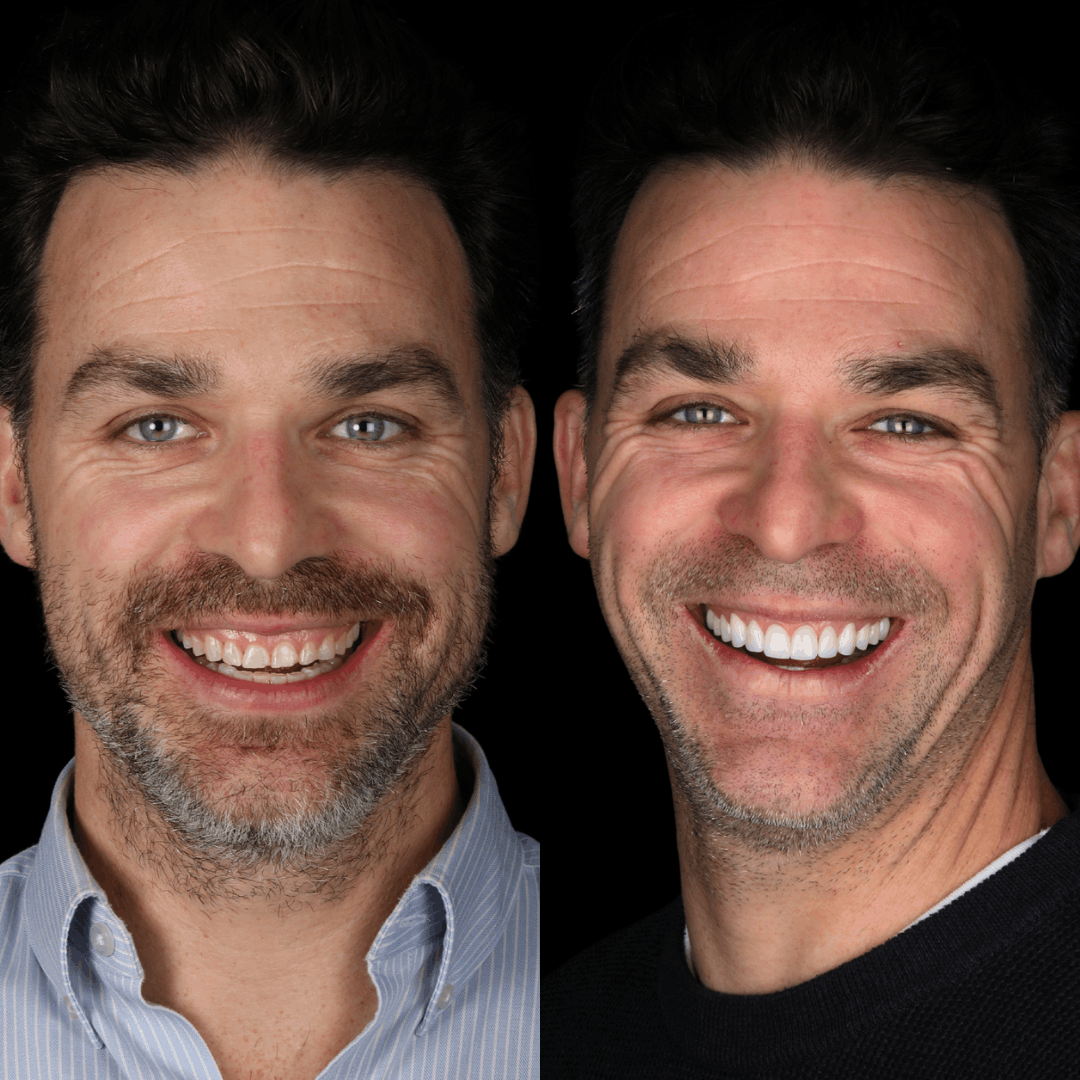
The following images demonstrate the clinical results achieved for our patients. Every smile is unique; these examples are intended to illustrate potential outcomes for various dental concerns and do not guarantee a specific result.
Important Information: Individual results vary. All invasive procedures carry risks. A consultation is required to determine suitability for any treatment.
The recommended clinical pathway depends entirely on the severity of the condition. Early-stage gingivitis often responds well to professional cleaning and enhanced daily oral hygiene practices. More advanced periodontitis typically requires targeted therapies such as scaling and root planing to remove calculus below the gum line, sometimes supported by adjunctive antimicrobial management.
Periodontitis is a chronic inflammatory condition that is managed rather than permanently cured. The initial active therapy phase may take several weeks, but long-term stability requires an ongoing commitment to a structured periodontal maintenance programme and rigorous daily oral hygiene to manage the bacterial load.
Following scaling and root planing, as the gingival inflammation subsides and the soft tissues heal, patients may occasionally experience a reduction in tooth mobility. However, if there has been severe, irreversible loss of the supporting jawbone, the tooth may remain compromised. Your practitioner will outline realistic functional expectations during your specific clinical assessment.
Scaling and root planing is the foundational clinical therapy for managing advanced gum disease. By meticulously removing calculus and bacterial toxins from the root surfaces, this targeted treatment aims to reduce periodontal pocket depths, manage active infection, and support the long-term retention of your natural teeth.
Yes, persistent bad breath (halitosis) is a common clinical indicator of underlying periodontal issues. The accumulation of plaque biofilm and calculus harbours bacteria that produce volatile sulphur compounds, leading to ongoing malodour that typically requires professional clinical intervention to address.
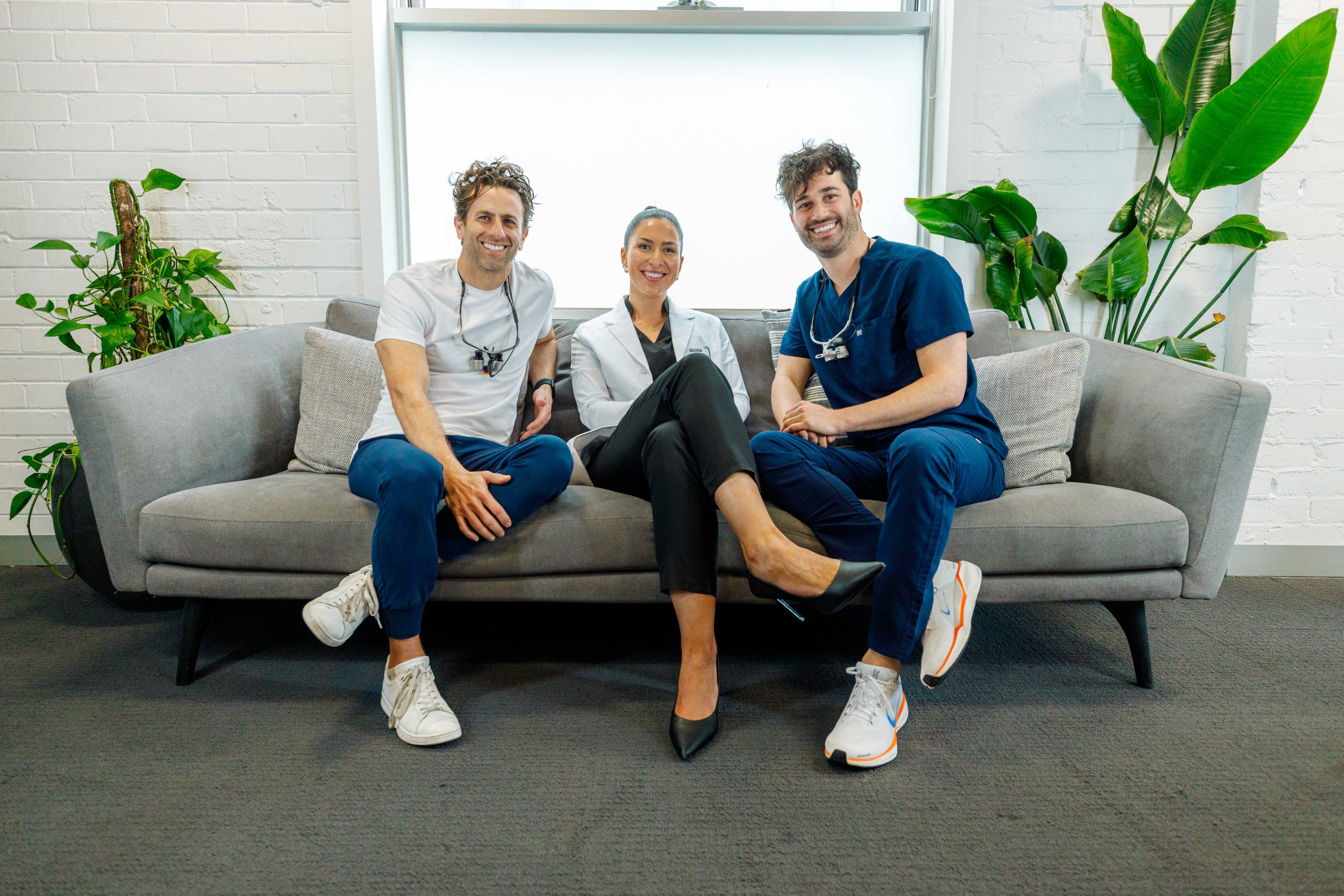
At Bond St, we assist you in identifying the dental solutions that best meet your clinical needs. Starting with a comprehensive assessment and consultation, we provide personalised care throughout every stage of your treatment. Contact our South Yarra clinic to arrange a consultation and discuss your suitability for treatment.